

Colonoscopy
A colonoscopy is a procedure used to inspect the large bowel (colon) using a flexible tube called a colonoscope. During the procedure the colonoscope is inserted into the back passage and carefully fed through the colon and into the end of the small bowel (ileum). A small camera at the end of the colonoscope transmits an image to a monitor, allowing close examination of the bowel and intestinal lining.
A colonoscopy can be used to determine causes of abdominal pain, unexplained changes in bowel habit, bleeding from the anus and weight loss. It is also used for screening and surveillance for colorectal cancer or removal of bowel polyps.
In order for the Gastroenterologist to get the best possible view and make the colonoscopy easier and safer, the bowel needs to be cleaned out with strong laxatives.
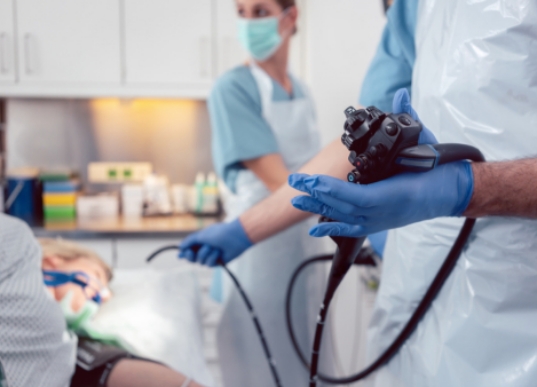
Colonoscopy information and how to prepare for one
- Morning Colonoscopy – Picoprep – Suitable For 90% Of Patients
- Afternoon Colonoscopy – Picoprep – Suitable For 90% Of Patients
- Morning Colonoscopy – Colonic Lavage – Suitable For Patients With Kidney Problems
- Afternoon Colonoscopy – Colonic Lavage – Suitable For Patients With Kidney Problems
- Morning Colonoscopy – Colonic Lavage Bariatric – Suitable For Patients Who Have Had Bariatric (Weight Loss) Surgery
- Afternoon Colonoscopy – Colonic Lavage Bariatric – Suitable For Patients Who Have Had Bariatric (Weight Loss) Surgery